01
Career Information
Guidance on professional sectors, career pathways, job-search channels and employment opportunities relevant to a student's field of study.
European Management School provides students with structured support for their career development, employment preparation and job-search journey through its dedicated career guidance team.
From CV preparation and interview readiness to job-search strategy and international career guidance, students can receive practical support as they prepare to enter the professional market.
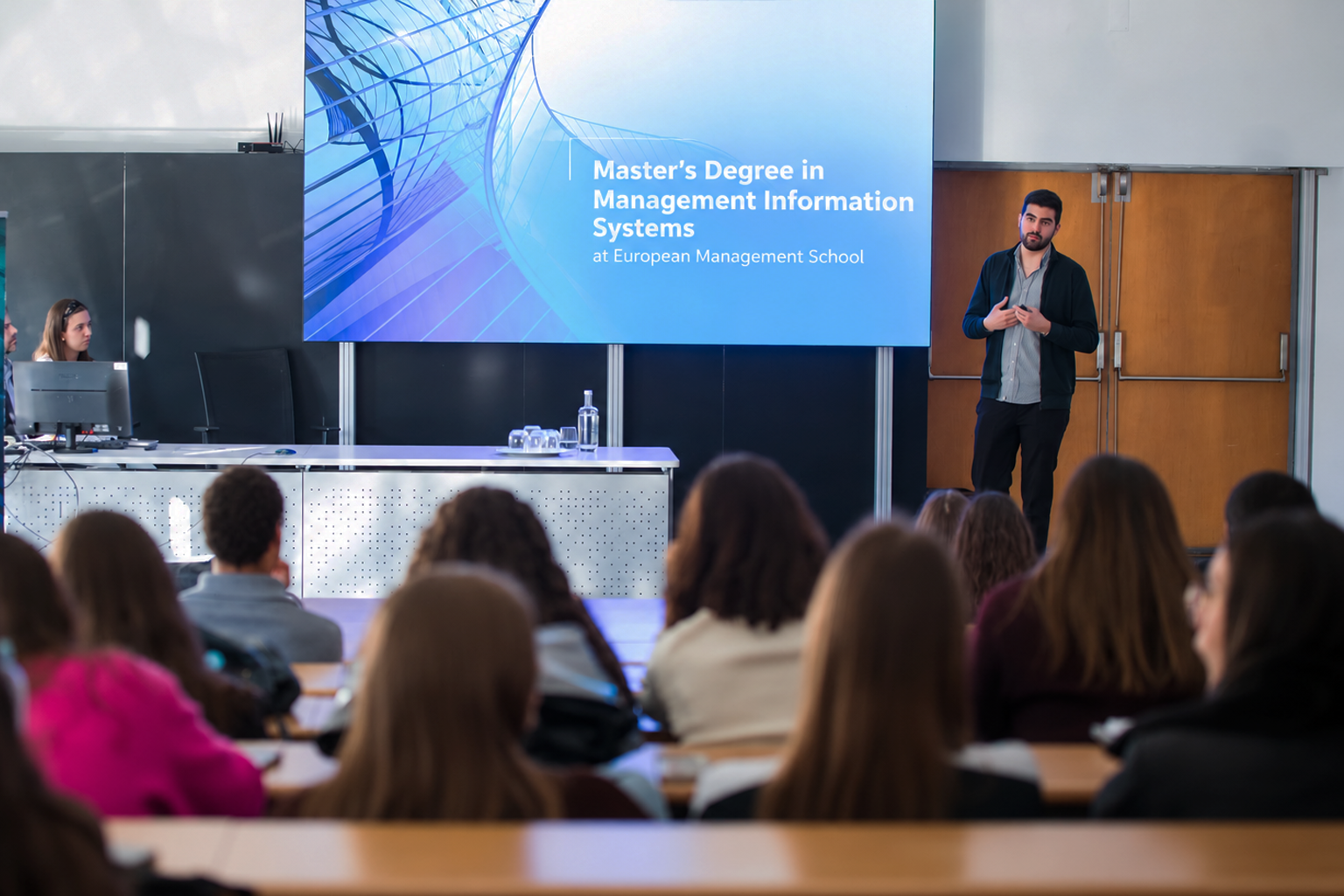
European Management School supports students not only during their academic journey but also as they prepare to participate in professional life.
The dedicated career guidance team helps students understand employment opportunities, identify suitable career directions and prepare professional application materials.
Members of the wider EMS community pursue professional opportunities across international markets, including organisations and companies in Africa, the GCC and Europe.
Career guidance is designed to connect academic knowledge with practical employability, professional communication and informed job-search strategies.
Students can work on the practical elements of professional preparation, from personal career positioning through applications and interviews.
Guidance on professional sectors, career pathways, job-search channels and employment opportunities relevant to a student's field of study.
Support in identifying career objectives, target roles, professional strengths and development priorities.
Guidance on preparing clear CVs, professional profiles and application materials aligned with target positions.
Practical support on identifying suitable roles, tailoring applications and presenting relevant academic and professional experience.
Guidance on interview preparation, professional communication, confidence and responses to common recruitment questions.
Assistance in navigating recruitment opportunities, employer communication and the practical steps involved in pursuing employment.
EMS students and members of the wider EMS community pursue professional opportunities across multiple international markets.
Career guidance can help students adapt their professional profile and job-search approach to different markets while recognising that recruitment, qualification recognition and work-authorisation requirements vary by country.
Career development can begin during the academic journey and continue through application, recruitment and professional transition.
Identify sectors, functions and roles that align with your academic background, interests and professional objectives.
Prepare your CV, professional profile, achievements and supporting documents for your target employment market.
Research suitable vacancies, tailor each application and communicate your relevant academic and professional experience.
Prepare for interviews, assessments, employer discussions and the practical stages of the recruitment process.
Applying for jobs in Europe requires more than submitting a CV. Students should research the target country, employer, role, application requirements and work-authorisation conditions before applying.
Research the employment market, language expectations, typical roles and recruitment practices of the country you are targeting.
Review the employer's requirements, qualification expectations and any relevant work-authorisation conditions.
Prepare a professional CV, cover letter, academic documents, references and other materials requested by the employer.
Use employer career pages, professional networks, job portals, recruitment firms and other relevant employment channels.
Adapt your CV and application to the specific role and demonstrate evidence that matches the employer's requirements.
Research the organisation, understand the position and prepare concise examples of your experience, skills and achievements.
Before accepting an offer, confirm the applicable right-to-work, permit or visa requirements for the specific country and role.
Academic qualifications form one part of a professional profile. Employers may also assess how candidates communicate, demonstrate skills and respond to professional situations.
Understanding of the subject area and ability to connect academic knowledge with practical situations.
Clear written and verbal communication appropriate for the role, employer and professional environment.
Evidence of relevant skills, projects, professional experience, workplace exposure or practical activity.
Ability to learn, respond to new situations and operate effectively in changing professional settings.
A coherent CV, professional profile and clear presentation of experience and achievements.
A clear understanding of the target role and evidence of genuine professional interest and preparation.
Career activity can be presented through verified institutional data covering student support, geographic reach, employer engagement and career development.
The numerical figures displayed above are illustrative design examples and should be replaced by verified EMS institutional statistics before publication.
EMS supports students as they prepare for professional opportunities, strengthen their employability and navigate international job-search pathways.
Contact EMSCareer guidance and placement support are intended to assist students with professional preparation and job-search activities. Employment outcomes are not guaranteed and depend on individual qualifications, experience, employer selection, labour-market conditions and applicable work-authorisation requirements. Requirements for employment in Europe and other international markets vary by country and should be checked with the relevant employer and competent authorities.